Superabsorbent polymer (SAP) materials are successfully being used in conjunction with disinfectants to solidify and treat body and analytical fluids at the source, thus reducing the risk for spread of infection without the need for special health and safety PPE.
Compared to incineration, SAP technologies can be used closer to the source, eliminating transport and handling concerns. As the fluids are no longer infectious, the waste is no longer “classified” as “red bag waste” and thus eliminates the need for costly incinceration. The solidified and treated waste can be disposed of as standard waste in many states allowing for substantial cost savings in healthcare and laboratory environments.
Liquids generated by medical procedures, medical devices, and food testing laboratories normally require special handling and costly disposal.
Superabsorbent Polymers (SAP) used in these environments reduce risks and costs associated with biological waste exposure.
Types of Waste Treated
MEDICAL WASTE SOLIDIFICATION:
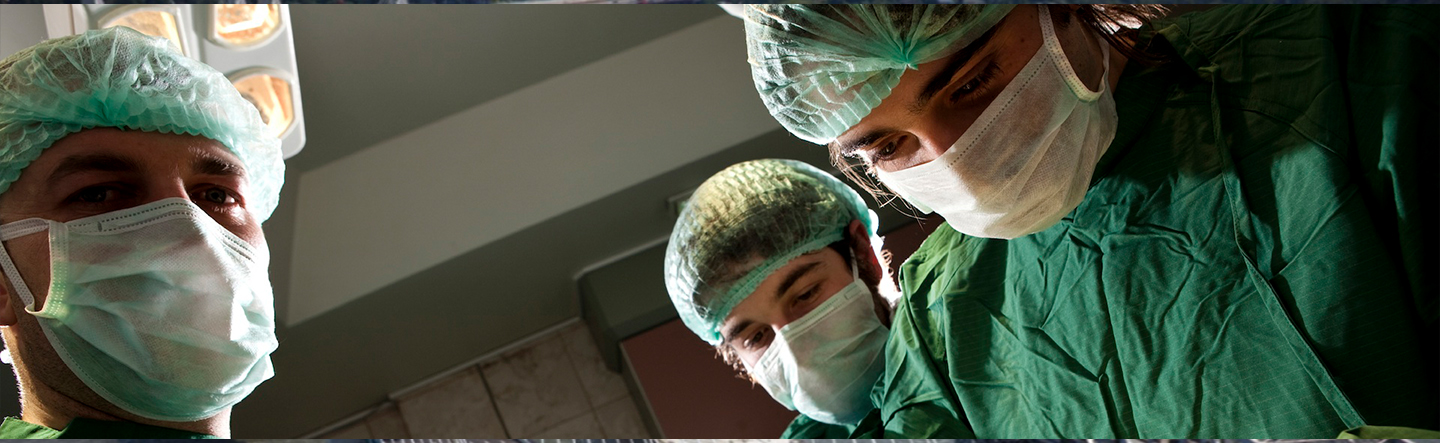
Control of infections is a challenging and costly concern for healthcare facilities everywhere. Liquid medical waste, such as fluids generated during surgeries and negative pressure wound therapy, are considered a bio-hazard, and must be disposed of as costly “red bag” waste. Superabsorbent polymers (SAP) allow liquid medical waste to be solidified in-place, which minimizes the risks of spilling and spreading dangerous pathogens.
Features & Benefits:
NEGATIVE PRESSURE WOUND THERAPY:
Modern developments in wound therapy technology involve applying a vaccum to the wound for the removal of exudate fluid from tissues, creating an environment that is more conducive to healing. Use of Superabsorbent Polymers (SAP) allows for solidification and treatment of the wound exudate providing odor control and safer handling of the exudate fluid by healthcare professionals.
Features & Benefits:
FOOD TESTING WASTE:
Food safety testing helps to protect consumers from food-borne pathogens. However, the liquid waste generated during food safety testing procedures is often contaminated and requires special handling and disposal to prevent the spread of disease.
Superabsorbent polymers (SAP) are widely used to solidify food safety testing waste. Allowing for simple, cost-effective disposal that eliminates the need for costly autoclaving.
Features & Benefits: